Meditative grid puzzle creating glowing stained-glass artworks on Android
StainedShapes from Hanoi Games is a meditative puzzle app that asks players to trace shapes across a grid to assemble stained-glass art. The core interaction is drawing contiguous paths that complete geometric sections and convert into colorful, glowing tiles to reveal the image. The interface includes editing controls and progressive rule changes that raise challenge over time. Puzzle players who enjoy calm, experimental logic and visual rewards on mobile will find the experience appealing.
What kind of game is this and how you play it?
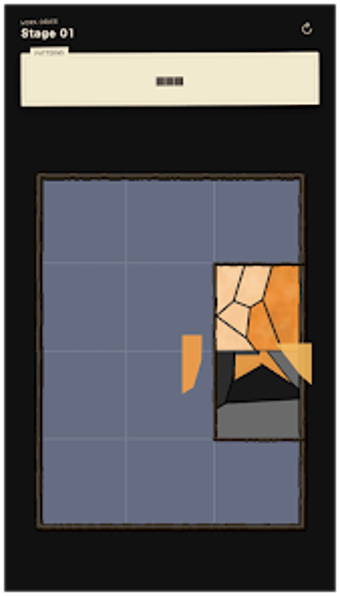
In this game, the primary loop is shape-tracing on a grid: you draw contiguous lines to define geometric regions, then those regions fill and glow as stained glass. This trace-to-create mechanic replaces conventional piece placement. The design emphasises patient problem solving and visual composition, so play sessions centre on planning shapes, testing a line, and refining until the board reads as a finished panel of colored glass.
Does it offer modes or social play and how do the mechanics behave?
Inside each puzzle the focus stays on solitary design rather than competitive or cooperative modes; no multiplayer features are listed. The app provides flexible editing tools that let you erase tiles and adjust shapes mid-puzzle, and there is no pressure from timers. Those mechanics support iterative problem solving: draw, correct, and rework without penalty, which suits players who prefer methodical experimentation.
What does the game look like and how does feedback work?
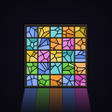
On the screen completed sections transform into vibrant, glowing pieces of stained glass, giving immediate visual feedback when a region is solved. The aesthetic progression turns a simple grid into an artwork, and the visual change functions as both reward and map for remaining tasks. The presentation emphasises color and light; interface elements remain unobtrusive so the board remains the visual focus throughout play.
Is it hard to get started and how does progression behave?
At the outset puzzles are accessible because the environment encourages trial and correction, but difficulty increases: later levels introduce new rules and environmental obstacles that demand more careful planning. The game supports a relaxed learning curve early, then requires strategic foresight as constraints accumulate. Regular content updates add new levels, which extends the number of puzzles available and gives players further design puzzles to solve.
Best suited to contemplative players who value slow, visual puzzles
The game is a measured choice for players who prefer patient, creative spatial puzzles and visual payoff rather than fast scoring or social competition. Its pace rewards methodical problem solving and repeated refinement. However, players seeking multiplayer matches or quick, score-driven sessions should consider other options. For mobile sessions dedicated to calm, aesthetic puzzle work, the app is a fitting pick.